Facial aesthetic medicine

Platelet-rich plasma (PRP)

PRP is a regenerative medicine treatment that uses the growth factors present in the patient’s own blood to stimulate the skin’s natural repair process. Because it is an autologous product, it introduces no substances foreign to the body. Available at Alta Armonía, El Albir.

What PRP is and what it is for

Platelet-rich plasma is obtained from a small blood sample taken from the patient. That sample is centrifuged at the centre to separate its components and concentrate the platelet-rich fraction of the plasma, which is where the growth factors are.

PRP is a medical procedure: taking the blood, processing the plasma and applying it are always carried out by the doctor, never by non-medical staff. It is a condition of the treatment, not a preference of the centre.

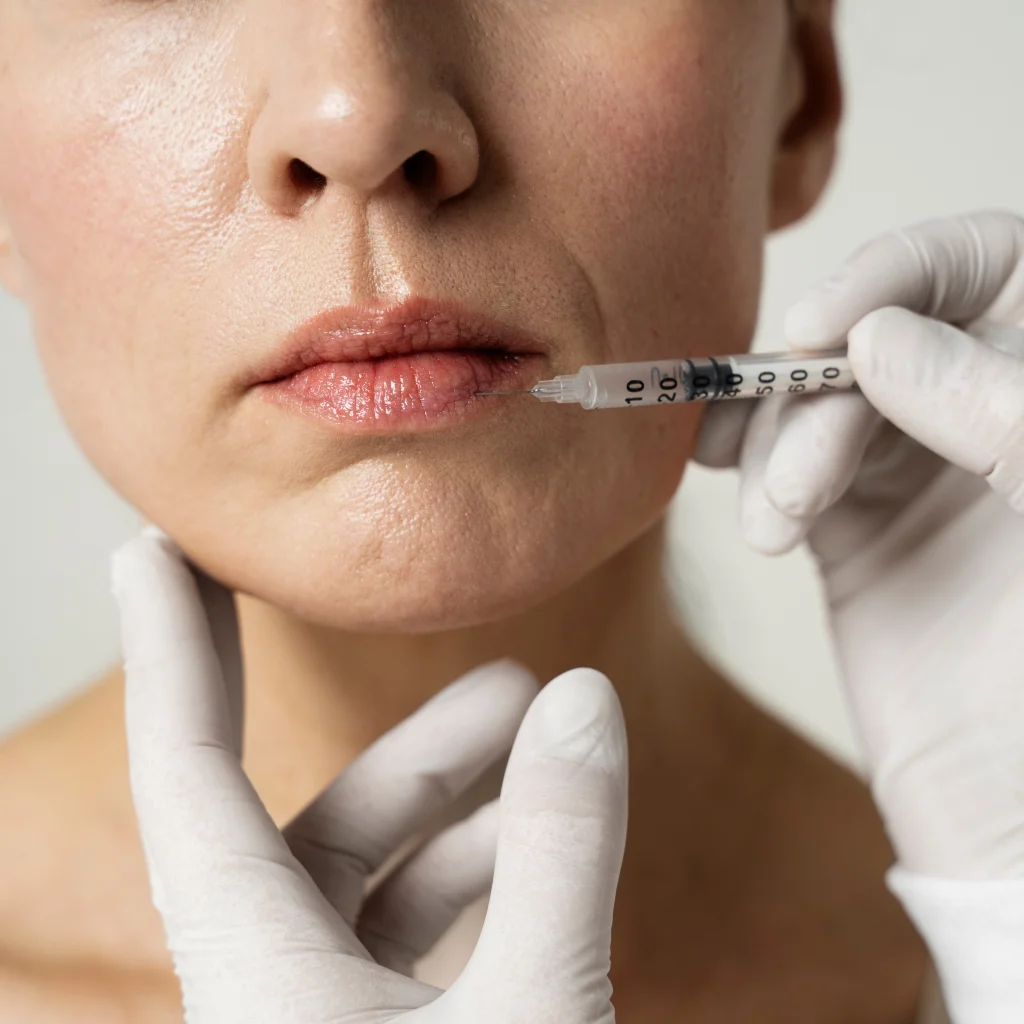
That concentrate is then injected into the area to be treated through microinjections. The growth factors act as a repair signal for the tissue: they stimulate the fibroblasts, encourage collagen synthesis and improve the vascularisation of the dermis. The result is skin with better tone, texture and firmness, achieved through the body’s own regenerative capacity.

It is indicated for the face, neck, décolletage and eye contour, and it is usually planned as a course of several sessions because its effect is cumulative. The number of sessions and the schedule are determined at the first consultation, after assessing the condition of the skin and each patient’s objective.

PRP is one of the facial aesthetic medicine treatments at Alta Armonía in El Albir. Depending on the case, it may be planned alongside other skin-stimulating techniques available at the centre, such as Dermapen, which induces collagen through microneedling, or SkinBooster, aimed at deep hydration of the dermis. That combination, where appropriate, is always decided at the prior medical assessment.

The session, step by step

1. Assessment. We confirm that the treatment is indicated and review your medical history. PRP starts from your own blood, so there are medical situations in which it is not appropriate.

2. Blood sample. A small sample, like the one taken for a routine blood test.

3. Centrifugation. The sample is processed to separate the platelet-rich plasma from the other components. This is the step that concentrates the growth factors.

4. Application. The plasma is injected into the area to be treated through microinjections.

5. Afterwards. Redness or a small bruise may remain at the entry points. The guidance for the following hours is explained at the end.

The whole process — taking the sample, processing it and applying it — is carried out by the doctor at the centre, in the same session, without the sample leaving the premises.

Regeneration is not the same as filling

It is the most common confusion and worth clearing up. A hyaluronic acid filler provides a material that occupies a space: the change is visible straight away and lasts as long as the product remains.

PRP adds no volume. What it does is stimulate the tissue itself to work: that is why the effect is progressive, builds over weeks and is not visible on the same day. They are different objectives and, in many plans, complementary ones.

When the aim is to stimulate the repair of the skin, PRP shares ground with Dermapen: one works with your own growth factors and the other with mechanical microstimulation. Which one is appropriate, or whether to combine them, is decided at the assessment.

The treatment is carried out at our medical aesthetic centre in El Albir, at Av. de l’Albir 155.

Why choose PRP at Alta Armonía

PRP is prepared from your blood at the centre itself and applied in the same session. It introduces no substances foreign to the body.

It does not aim to add volume but to improve the quality, tone and firmness of the skin by stimulating its own capacity to repair.

The effect builds over the course of the protocol, as the tissue responds to the stimulus. It is a treatment with a trajectory.

Taking the sample, processing it and injecting it are carried out by qualified healthcare staff, with sterile single-use material and under a medical protocol.

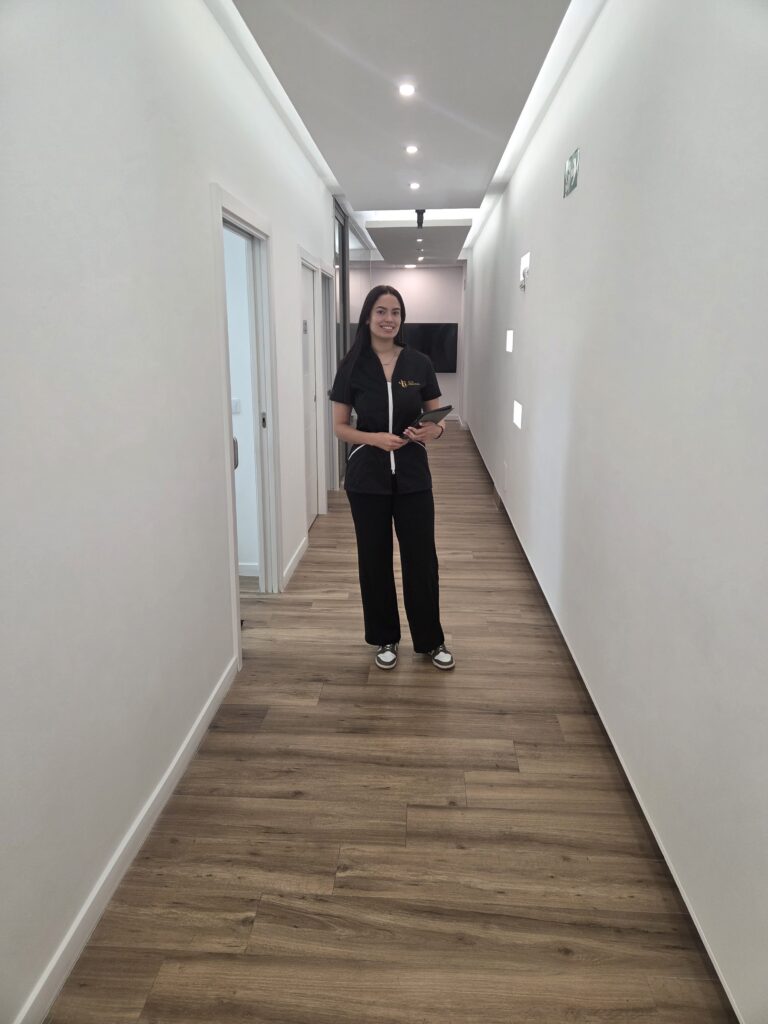
Giovanna at the Alta Armonía centre in El Albir

Who PRP treatment is suitable for

  • People with dull, thin skin or skin that has lost firmness
  • Those who want to improve texture and tone without introducing external substances
  • Patients with signs of photoageing on the face, neck or décolletage
  • Those who want to work on the eye contour and the periocular area
  • People who prefer a regenerative, progressive approach
  • Patients with no clotting disorders or other contraindications, assessed at a prior consultation

PRP in El Albir — book your assessment at Alta Armonía

FAQS

Frequently asked questions about PRP

From your own blood. A sample is taken as for a blood test, the sample is centrifuged at the centre to concentrate the platelet-rich plasma and that concentrate is injected in the same session.

PRP is planned as a course of several spaced sessions, because its effect is cumulative. The exact number and frequency are set at the initial assessment according to the condition of the skin and the objective.

It is a well-tolerated treatment. The blood sample is like any routine one and, before injecting, a topical anaesthetic is applied to the area. Redness or small bruises may remain for the following hours.

Results are progressive and depend on each patient’s regenerative response. The improvement in radiance and texture is usually seen a few weeks after the protocol starts and continues to consolidate over the cycle.

From your own blood, taken in the same session. No external product is added: the platelet-rich plasma is separated and injected. That is why there is no risk of rejection or of allergy to the material.

No, and it is important to know that before starting. PRP does not fill: it stimulates the tissue to repair itself, and that process is progressive. The effect builds over the weeks following each session.

Medical staff only. It is a healthcare procedure involving taking blood, processing it and reinjecting it, and at Alta Armonía it is always carried out by the doctor, never by non-medical staff.