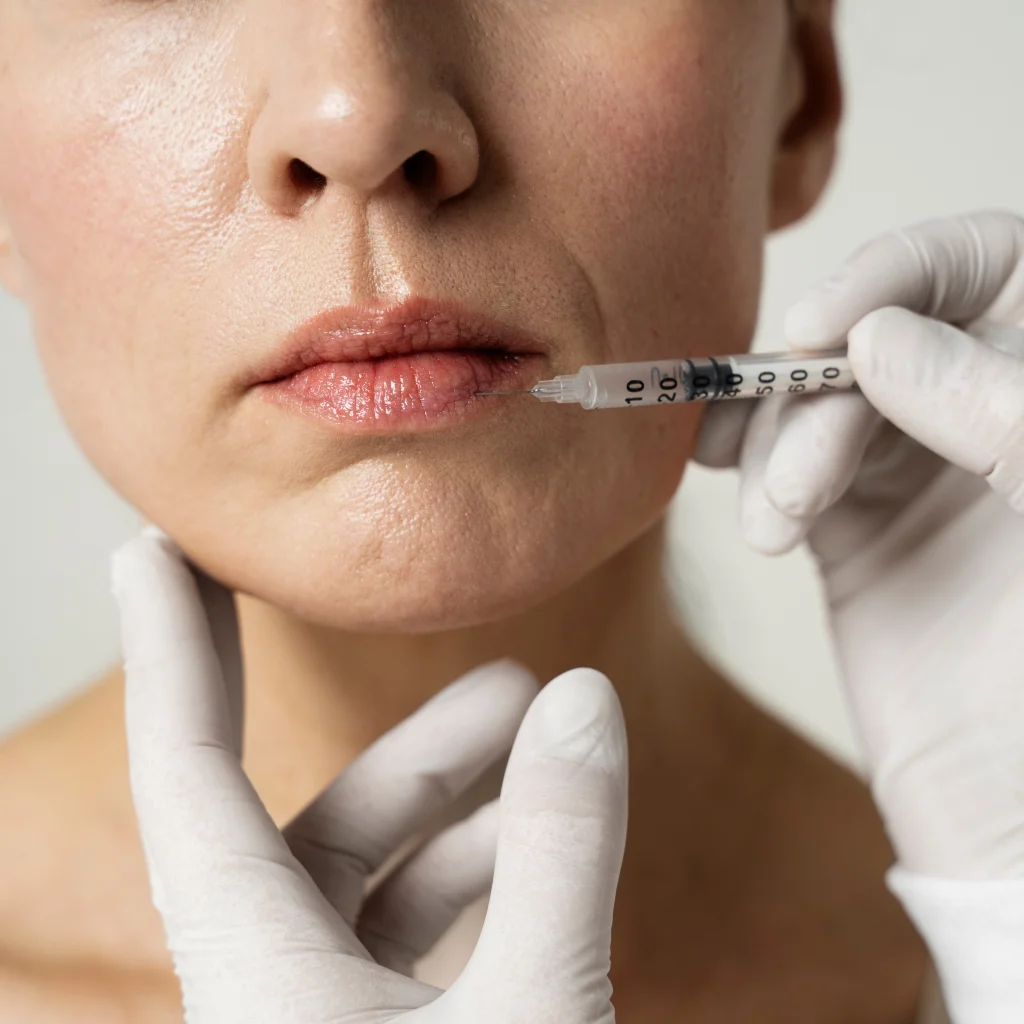
A cell renewal treatment with medical acids in El Albir. It improves texture, helps to fade pigmentation and restores radiance to the skin with a personalised protocol supervised by Dr Soraya.
A cell renewal treatment with medical acids in El Albir. It improves texture, helps to fade pigmentation and restores radiance to the skin with a personalised protocol supervised by Dr Soraya.
A medical peel is a controlled skin renewal treatment that uses medical-grade acids to exfoliate the surface layers of the skin. By removing dead cells and stimulating cell regeneration, the skin becomes brighter, more even and better in texture.
Unlike cosmetic peels used at home, a medical peel uses concentrations and combinations of acids that can only be applied under medical supervision. At Alta Armonía the doctor selects the type and depth of the peel according to each patient’s skin type and objective.
The medical peel is one of the facial aesthetic medicine treatments at Alta Armonía in El Albir. It renews the surface of the skin; when hydration and nourishment from within also need working on, it is combined with facial mesotherapy, and if the aim is to induce collagen at depth the technique is Dermapen. The protocol is set at the first consultation.
«Medical peel» is not a single treatment: it is a family. The active ingredient, the concentration and the exposure time all change, and that determines the depth at which it works and how many days of peeling follow.
The superficial ones work on the outermost layer: radiance, texture and uneven tone, with minimal recovery. The medium ones go deeper and are used when there is more established pigmentation or marking, at the cost of a few visible days of peeling.
Choosing the wrong depth is the classic mistake: falling short gives no result, and going too far on skin that cannot tolerate it can produce the opposite effect, particularly in a sunny area like this one. That is why the protocol is decided by the doctor after assessing the skin phototype, its condition and the time of year.
1. Assessment and choice of protocol. Skin phototype, condition of the skin, medical background and time of year. In summer, with recent sun exposure, many peels are not indicated.
2. Cleansing and degreasing of the area, which determines how the active ingredient penetrates.
3. Application. The active is applied in a controlled way and removed or neutralised within the planned time. Some stinging or warmth during application is normal.
4. The following days. Depending on the depth, the skin may tighten and flake. That is the intended effect, not a complication: that renewal is the treatment.
5. Sun protection. This is not a polite recommendation: it is part of the treatment. Freshly renewed skin exposed to the sun can respond with pigmentation.
The full schedule, including preparing the skin beforehand if needed, is set at the first consultation.
Behind every treatment there is a particular team and particular premises: you can get to know them on the page about the clinic.
We cover it at more length on the blog: types of peel, objectives and aftercare.
There is no single medical peel. The choice of acid, concentration and number of layers depends on the prior skin diagnosis: skin type, sensitivity, the problems to be treated (pigmentation, acne, texture, ageing) and tolerance. The initial assessment is essential in order to select the right protocol.
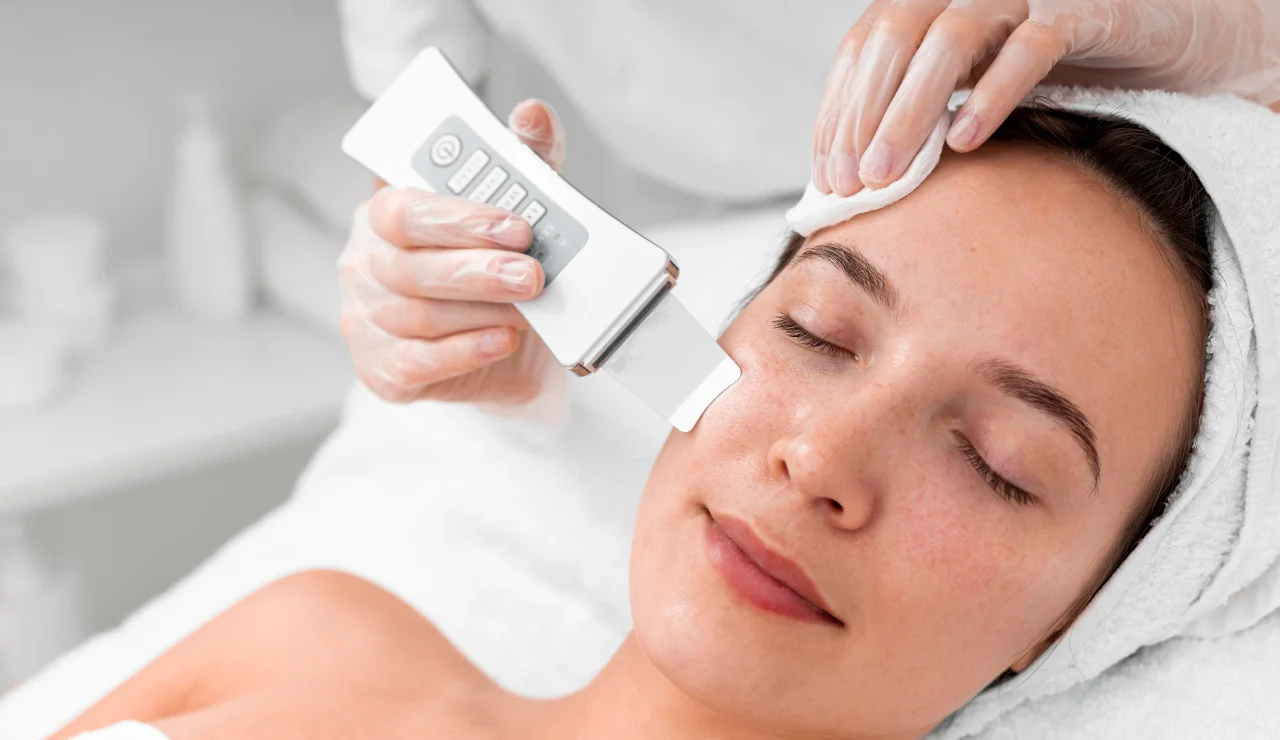
The treatment begins with a deep cleanse of the skin. The acid solution is then applied evenly over the areas to be treated. Depending on the type of peel, you may feel warmth or slight stinging during application, which stops once the acid is neutralised. The full session takes between 30 and 60 minutes.
In the days after the session the skin may show slight redness and visible flaking, especially with deeper peels. This process is normal and is part of the skin’s renewal. The resulting skin is smoother, more even and brighter. Results appear progressively over the following 7 to 14 days.
After a medical peel the skin is temporarily more sensitive to UV radiation. High sun protection (SPF 50+) is compulsory for at least 4 weeks after the treatment, to protect the new skin and prevent pigmentation.
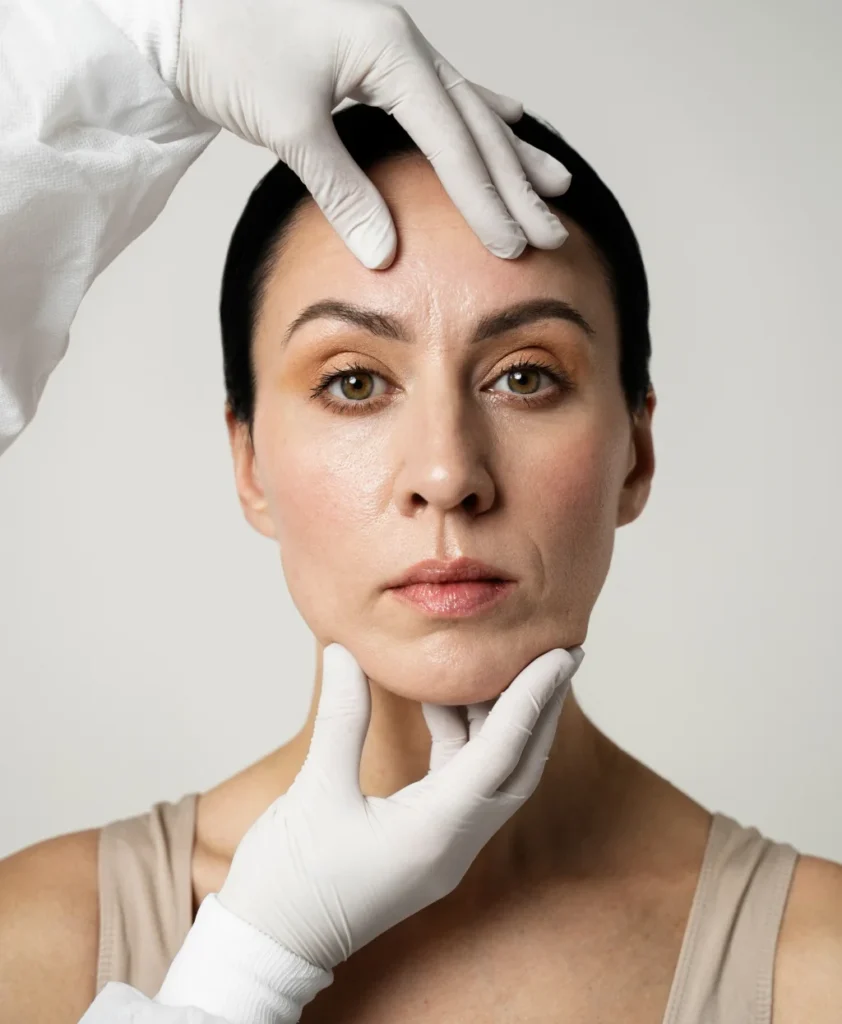
The medical peel can be combined with facial mesotherapy in the same protocol to enhance the results in hydration and nourishment of the skin.

It depends on the type of peel. With superficial peels the skin may be slightly red for 24 to 48 hours and flake discreetly for 3 to 5 days. With deeper protocols recovery can extend to 7 to 10 days. The doctor explains exactly what to expect according to the protocol chosen for each case.
It is not the ideal time. Intense sun exposure hinders recovery and increases the risk of post-treatment pigmentation. It is best carried out in autumn, winter or spring, when sun exposure is lower and proper protection can be maintained.
For optimal results a cycle of 3 to 6 sessions is generally recommended, with intervals of 2 to 4 weeks between each one. The exact number depends on the problem being treated and how each skin responds.
Yes. The medical peel is commonly combined with facial mesotherapy to reinforce hydration and the supply of nutrients to the freshly renewed skin. The doctor designs combined protocols according to each patient’s objectives.
It depends on the depth of the peel. With superficial peels the flaking is usually mild and barely visible; with medium peels there are a few days when the skin tightens and flakes. We explain this before the session so you can choose your timing, and it is not a complication: it is how the treatment works.
It depends on the type of peel and on your sun exposure. With a recent tan or planned exposure, many protocols are not indicated and the sensible thing is to wait or choose a more superficial one. We live in a very sunny area and that weighs on the decision.
Yes, within the same skin-quality plan. It is commonly combined with facial mesotherapy or with SkinBooster to work on hydration and nourishment as well as surface renewal. What is not improvised is the order or the intervals.
Escríbenos por WhatsApp